
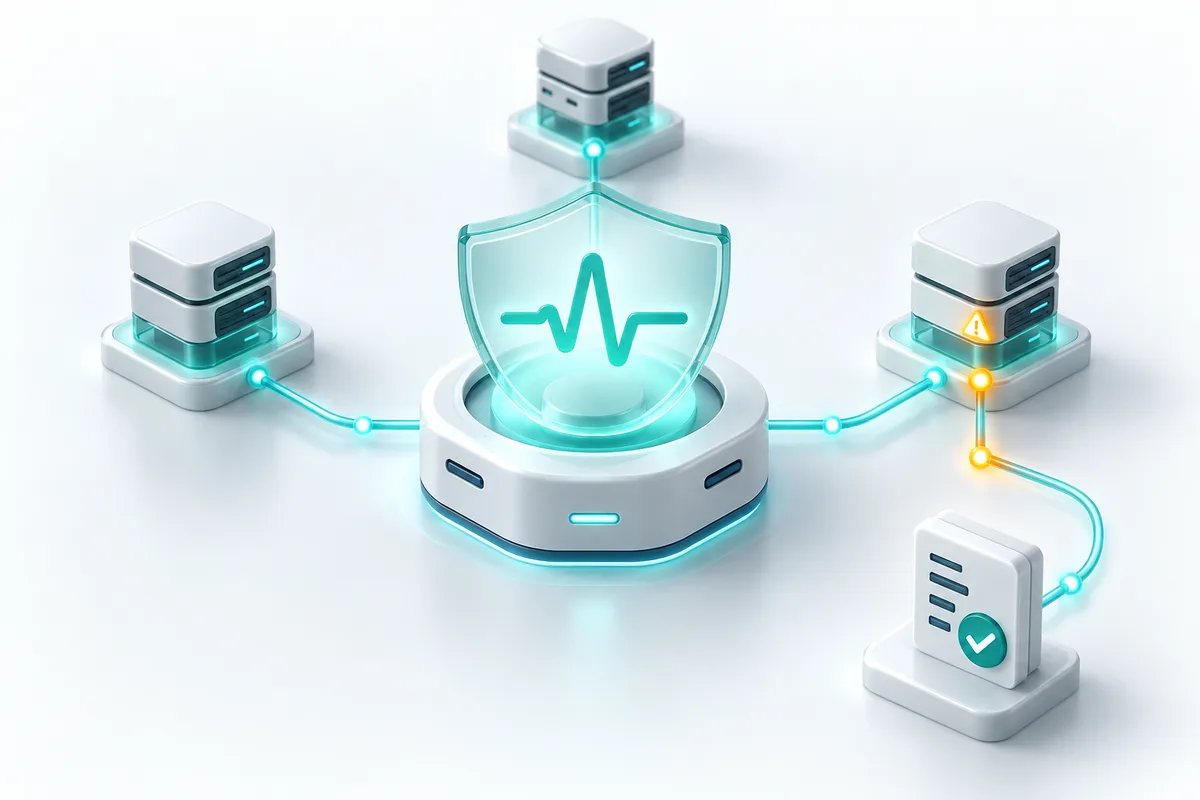
Technology Operation Support

Reliable operations with proactive monitoring and response.

We run and improve AWS, Kubernetes, and cloud production environments with 24/7 coverage, automation-first runbooks, and service health metrics.

Operational outcomes

Calm, predictable operations.

24/7 observability with defined escalation paths.

Incident response that improves with every review.

Automation-first playbooks that reduce toil.

Services

Operational services.

24/7 monitoring, alerting, and on-call management for AWS, Kubernetes, and cloud platforms with clear SLAs.

Incident response, coordination, and stakeholder updates during critical events.

Runbook automation and self-healing routines to reduce toil and MTTR.

Change management, release readiness, and continual service improvement cycles.

Continue exploring

Related pages for reliability and operations programs.

Engagement

How we engage.

Operations support starts with service mapping and alert hygiene, then moves into steady-state response and improvement cycles.

  1. 01Map services, define SLOs, tune alerts, and close reliability gaps.
  2. 02Run on-call, triage, and remediations with automation-first playbooks.
  3. 03Run post-incident reviews and tune runbooks, controls, and roadmaps.

Focus areas

Where we focus most.

SRE-aligned

Error budgets, capacity planning, and performance baselines guide operational decisions.

Security aware

Patch management, vulnerability triage, and access hygiene are part of daily operations.

Business ready

Clear SLAs, RCA summaries, and status comms keep stakeholders informed.

Operations support FAQ

Common questions about cloud operations support.

What does technology operations support cover?

Technology operations support covers monitoring, alert tuning, incident response, runbooks, service health reporting, release readiness, and continual reliability improvement.

Can SoloStack support AWS and Kubernetes production platforms?

Yes. SoloStack supports AWS, Kubernetes, and cloud-native production environments with observability, incident response, SRE routines, and automation-first runbooks.

How do you reduce noisy alerts and slow incident triage?

We map services, define useful SLOs, tune alert rules, document escalation paths, and automate repeatable diagnostics so incidents are easier to detect, triage, and resolve.

Ready for calm

Keep operations calm and predictable.

We will protect uptime with proactive monitoring, fast incident response, and automation that scales with demand.